01 // THREE ENGINEERING CHALLENGES
Evolution optimizes for survival, not for industrial efficiency. To turn biology into a manufacturing platform, three fundamental engineering challenges must be addressed.
1. Genetic Drift (Mutation). Cells accumulate mutations over successive divisions. In a manufacturing context, this means product quality degrades over time. A printed liver cell line that mutates loses its functional specification.
The Foundry Approach: Genetic Stability Systems. Engineered kill switches, synthetic auxotrophies, and mutation-detection circuits maintain cell-line fidelity. Cells that drift beyond tolerance thresholds trigger programmed apoptosis. Current systems maintain genetic stability over approximately 200–400 division cycles (depending on cell type and mutation-detection circuit sensitivity) — sufficient for tissue-scale manufacturing runs where a heart construct requires roughly 1010 cells from a founding population of 106.
2. Growth Rate (Maturation). Biological tissues mature slowly under natural conditions. Organ-scale constructs require weeks to months of culture.
The Foundry Approach: Optimized Perfusion Culture. Accelerated tissue maturation under controlled perfusion, optimized nutrient delivery, and growth factor cycling in Vapor Vacuum sterile-atmosphere bioreactors. Maturation timelines reduced significantly compared to static culture—organ-scale constructs achievable in days to weeks rather than months.
3. Biological Control (Interface). Engineered tissues and constructs must respond to external command signals, not evolved instincts.
The Foundry Approach: Hybrid Bio-Electronic Interfaces. SBC-N neural clusters integrated with Metallic Sciences electrode arrays create controllable biological-electronic junctions for actuator and sensor applications.
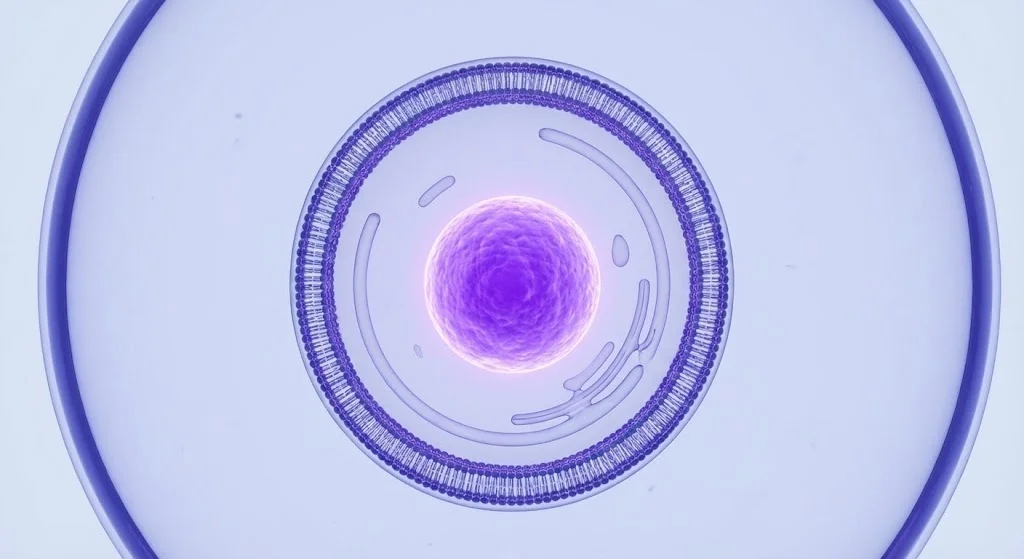
FIG 1.0: GENETIC STABILITY ARCHITECTURE — MUTATION DETECTION AND CONTAINMENT